
Elizabeth Dunn

Professor
location_on Kenny Room 2013 - 2136 West Mall
Education

PhD, University of Virginia, 2004


About

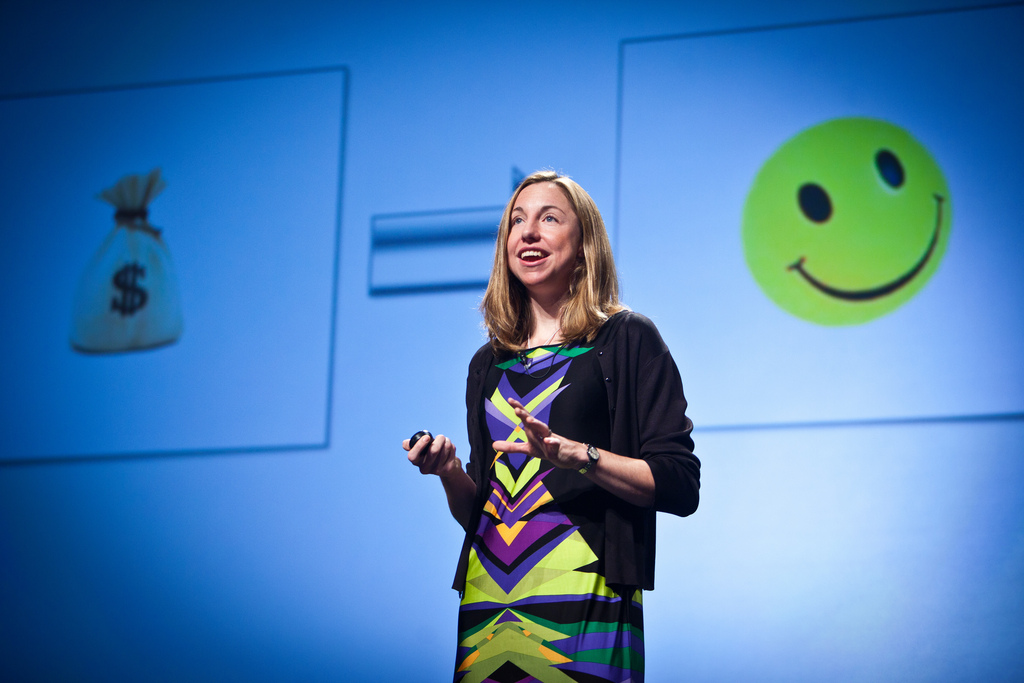
Dr. Elizabeth Dunn is a professor in the Department of Psychology at the University of British Columbia. Dunn conducts experimental research examining how time, money, and technology shape human happiness. She is the co-author of Happy Money: The Science of Happier Spending (Simon & Schuster) with Dr. Michael Norton and she has given talks at TEDTalksPopTech! and TEDx.

For all UBC students, faculty and staff, please email edunn@psych.ubc.ca

If you are contacting Dr. Dunn from outside UBC, please email profdunn@gmail.com


Teaching


Research

Dr. Dunn conducts experimental research on happiness, with a current focus on how to promote rewarding social interactions using technology. Her work has appeared in top journals, with three papers published in Science.

Dr. Dunn’s secondary research area is Health.


Publications

Folk, D., Henninger, M., & Dunn, E. (In press). What does a good day look like?: An interpretable machine learning approach to the American Time Use Survey. PNAS Nexus.

Radke, J., Guan, S., Dunn, E., & Zhao, J. (2026). How do-more-good frames influence climate action likelihood and anticipated happiness. Frontiers in Communication, 11, 1693311.

Dunn, E. & Zhao, J. (2026). Leave the Lights On: How Joyful Decisions Can Save Our Species. Avery, Penguin Random House, NY.

*Folk, D., & Dunn, E. W. (2024). How can people become happier? A systematic review of preregistered experiments. Annual Review of Psychology, 75(1).

*Folk, D., & Dunn, E. W. (2023). A systematic review of the strength of evidence for the most commonly recommended happiness strategies in mainstream media. Nature Human Behavior.

*Dwyer, R. J., & Dunn, E. W. (2022). Wealth redistribution promotes happiness. Proceedings of the National Academy of Sciences, 119(46).


Awards

  • Royal Society of Canada’s College of New Scholars, Artists and Scientists (2015)
  • Society for Personality and Social Psychology (2014 Fellow)
  • Social Science and Humanities Research Council Impact Connection Award Finalist (2014 and 2015)
  • Killam Faculty Research Fellowship (2011)
  • Killam Faculty Research Prize (2010)
  • Robert E. Knox Master Teaching Award (2010)
  • Canadian Institutes of Health Research New Investigator Award (2010)
  • Mind Gym Academic Prize Honouree (2007)
  • Peter Wall Institute for Advanced Studies – Early Career Scholar (2007)
  • Chronicle of Higher Education Rising Star (2004)

Graduate Supervision

Please refer to Dr. Dunn’s lab website for more information on graduate supervision


Elizabeth Dunn

Professor
location_on Kenny Room 2013 - 2136 West Mall
Education

PhD, University of Virginia, 2004


About

Dr. Elizabeth Dunn is a professor in the Department of Psychology at the University of British Columbia. Dunn conducts experimental research examining how time, money, and technology shape human happiness. She is the co-author of Happy Money: The Science of Happier Spending (Simon & Schuster) with Dr. Michael Norton and she has given talks at TEDTalksPopTech! and TEDx.

For all UBC students, faculty and staff, please email edunn@psych.ubc.ca

If you are contacting Dr. Dunn from outside UBC, please email profdunn@gmail.com


Teaching


Research

Dr. Dunn conducts experimental research on happiness, with a current focus on how to promote rewarding social interactions using technology. Her work has appeared in top journals, with three papers published in Science.

Dr. Dunn’s secondary research area is Health.


Publications

Folk, D., Henninger, M., & Dunn, E. (In press). What does a good day look like?: An interpretable machine learning approach to the American Time Use Survey. PNAS Nexus.

Radke, J., Guan, S., Dunn, E., & Zhao, J. (2026). How do-more-good frames influence climate action likelihood and anticipated happiness. Frontiers in Communication, 11, 1693311.

Dunn, E. & Zhao, J. (2026). Leave the Lights On: How Joyful Decisions Can Save Our Species. Avery, Penguin Random House, NY.

*Folk, D., & Dunn, E. W. (2024). How can people become happier? A systematic review of preregistered experiments. Annual Review of Psychology, 75(1).

*Folk, D., & Dunn, E. W. (2023). A systematic review of the strength of evidence for the most commonly recommended happiness strategies in mainstream media. Nature Human Behavior.

*Dwyer, R. J., & Dunn, E. W. (2022). Wealth redistribution promotes happiness. Proceedings of the National Academy of Sciences, 119(46).


Awards

  • Royal Society of Canada’s College of New Scholars, Artists and Scientists (2015)
  • Society for Personality and Social Psychology (2014 Fellow)
  • Social Science and Humanities Research Council Impact Connection Award Finalist (2014 and 2015)
  • Killam Faculty Research Fellowship (2011)
  • Killam Faculty Research Prize (2010)
  • Robert E. Knox Master Teaching Award (2010)
  • Canadian Institutes of Health Research New Investigator Award (2010)
  • Mind Gym Academic Prize Honouree (2007)
  • Peter Wall Institute for Advanced Studies – Early Career Scholar (2007)
  • Chronicle of Higher Education Rising Star (2004)

Graduate Supervision

Please refer to Dr. Dunn’s lab website for more information on graduate supervision


Elizabeth Dunn

Professor
location_on Kenny Room 2013 - 2136 West Mall
Education

PhD, University of Virginia, 2004

About keyboard_arrow_down

Dr. Elizabeth Dunn is a professor in the Department of Psychology at the University of British Columbia. Dunn conducts experimental research examining how time, money, and technology shape human happiness. She is the co-author of Happy Money: The Science of Happier Spending (Simon & Schuster) with Dr. Michael Norton and she has given talks at TEDTalksPopTech! and TEDx.

For all UBC students, faculty and staff, please email edunn@psych.ubc.ca

If you are contacting Dr. Dunn from outside UBC, please email profdunn@gmail.com

Teaching keyboard_arrow_down
Research keyboard_arrow_down

Dr. Dunn conducts experimental research on happiness, with a current focus on how to promote rewarding social interactions using technology. Her work has appeared in top journals, with three papers published in Science.

Dr. Dunn’s secondary research area is Health.

Publications keyboard_arrow_down

Folk, D., Henninger, M., & Dunn, E. (In press). What does a good day look like?: An interpretable machine learning approach to the American Time Use Survey. PNAS Nexus.

Radke, J., Guan, S., Dunn, E., & Zhao, J. (2026). How do-more-good frames influence climate action likelihood and anticipated happiness. Frontiers in Communication, 11, 1693311.

Dunn, E. & Zhao, J. (2026). Leave the Lights On: How Joyful Decisions Can Save Our Species. Avery, Penguin Random House, NY.

*Folk, D., & Dunn, E. W. (2024). How can people become happier? A systematic review of preregistered experiments. Annual Review of Psychology, 75(1).

*Folk, D., & Dunn, E. W. (2023). A systematic review of the strength of evidence for the most commonly recommended happiness strategies in mainstream media. Nature Human Behavior.

*Dwyer, R. J., & Dunn, E. W. (2022). Wealth redistribution promotes happiness. Proceedings of the National Academy of Sciences, 119(46).

Awards keyboard_arrow_down
  • Royal Society of Canada’s College of New Scholars, Artists and Scientists (2015)
  • Society for Personality and Social Psychology (2014 Fellow)
  • Social Science and Humanities Research Council Impact Connection Award Finalist (2014 and 2015)
  • Killam Faculty Research Fellowship (2011)
  • Killam Faculty Research Prize (2010)
  • Robert E. Knox Master Teaching Award (2010)
  • Canadian Institutes of Health Research New Investigator Award (2010)
  • Mind Gym Academic Prize Honouree (2007)
  • Peter Wall Institute for Advanced Studies – Early Career Scholar (2007)
  • Chronicle of Higher Education Rising Star (2004)
Graduate Supervision keyboard_arrow_down

Please refer to Dr. Dunn’s lab website for more information on graduate supervision